



Register to get free articles
Want unlimited access? View Plans
Already have an account? Sign in
The National Association of Allied and Independent Funeral Directors (SAIF) along with bereavement charity AtaLoss have voiced concerns over the potential impact on small funeral providers and bereaved families following a major report into burial law.
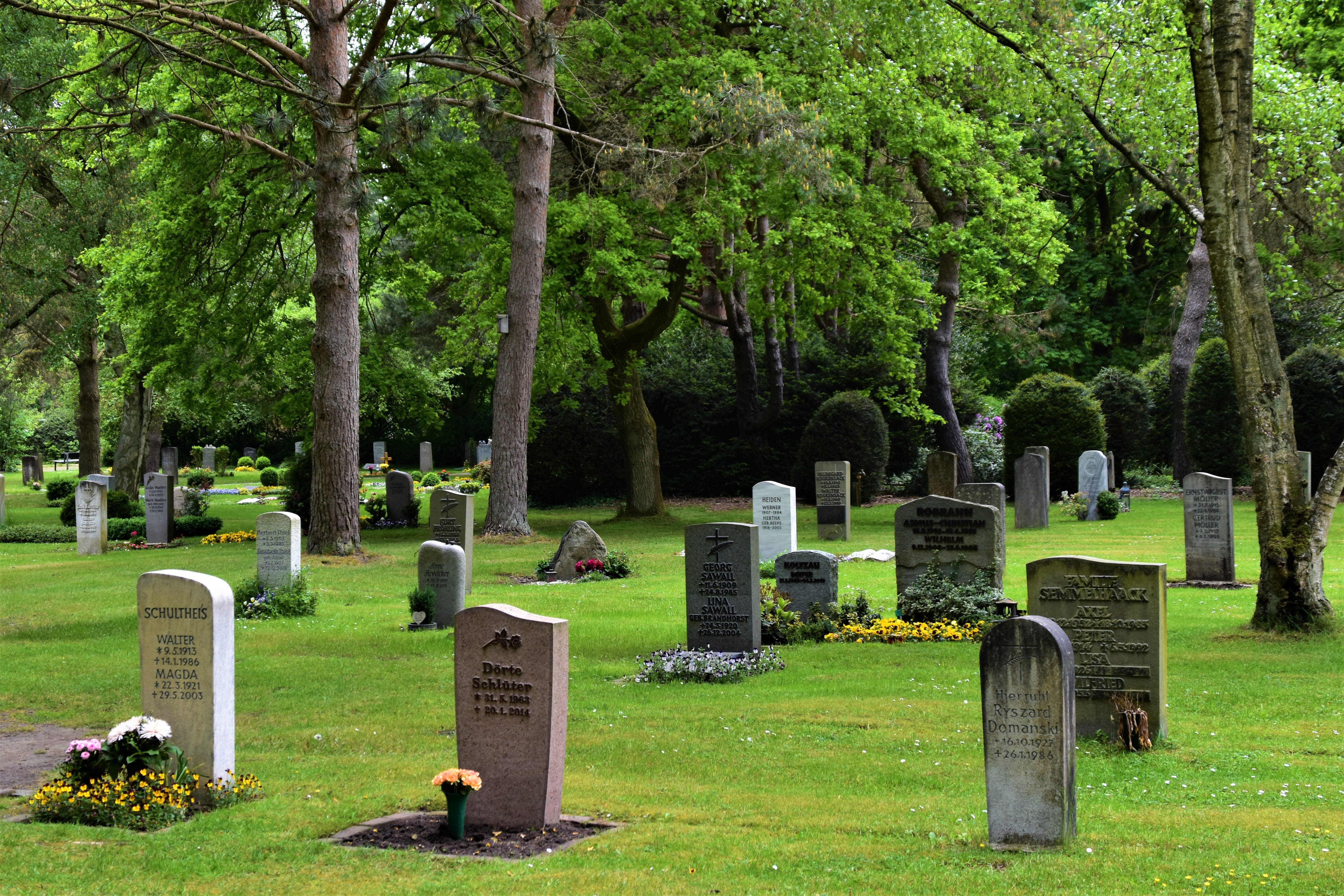
It comes as the Law Commission has proposed a formalised scheme for returning uncollected ashes and the reuse of graves after 100 years, which aims to address a national shortage of burial space and provide legal clarity for funeral directors holding remains.
The SAIF has called the proposal to charge funeral directors to return ashes to crematoria unfair, as the trade body argues that independent firms have acted as custodians for these remains for many years.
Meanwhile, AtaLoss said the emotional impact of disturbing graves must not be underestimated. The organisation called for grieving families to be placed at the centre of any changes to resting places.
As part of its report, the Law Commission also recommends mandatory identity checks and increased transparency for direct cremations. Under the plans, operators must inform families exactly where and when a cremation will take place to ensure accountability.
Terry Tennens, chief executive of the SAIF, said: “We view this as a sensible solution that will finally provide certainty for SAIF members, who have acted as unofficial custodians for these remains for far too long.
“However, we are highly uncomfortable with the accompanying proposal that cremation authorities may charge funeral directors a fee to return these ashes. It is fundamentally unfair to burden small businesses with extra costs for simply clearing an historic backlog they did not create.”
Yvonne Tulloch, chief executive of AtaLoss, added: “While we recognise the growing pressure on burial space, any proposals to reuse graves must place bereaved families at the very centre, not as an afterthought.
“We know grief does not work to a timetable, and for many, a grave remains a deeply significant place of connection, memory, and identity for many generations.”