





Register to get free articles
Want unlimited access? View Plans
Already have an account? Sign in
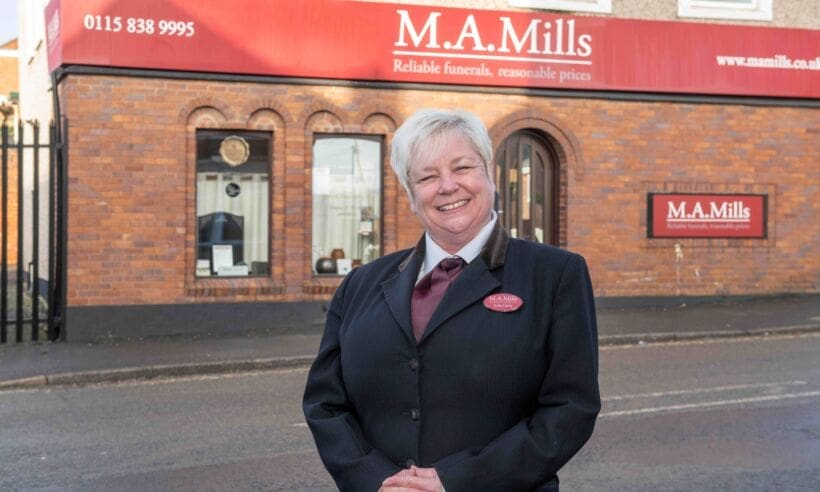
Nottingham-based M.A. Mills Funeral Service has warned that artificial intelligence should not replace emotional support despite its growing role in practical funeral planning.
It comes as M.A. Mills’ general manager, Julia Carty, has seen families increasingly use tools such as ChatGPT to write flower card messages, tributes and poems. Carty noted the technology can assist those finding it difficult to find words while experiencing overwhelming emotions.
The business, which was acquired by A.W. Lymn in October 2023, has not yet seen AI-generated photographs or videos used in its services. However, Carty expects the involvement of technology to increase as it becomes more prevalent in daily life.
In light of this, Carty has urged people to keep the use of AI for strictly practical purposes, saying that these tools “can’t understand the complexity of loss and how each family is different”.
While future generations are expected to be more comfortable incorporating AI into funeral arrangements, Carty maintains that the funeral profession will continue to rely on compassion and human care.
Carty said: “When arranging a funeral those left behind are carrying an awful lot of responsibilities and emotional weight. Not only do you have to arrange the funeral, but you have to take care of things like bank accounts, pensions, life insurance – even phone and internet contracts. Using AI for something simple like writing a message on a card can be a helpful way to ease the overwhelm for some people.
“I think it’s only a matter of time before people start using it for more things than just writing. In years gone by, if you needed inspiration you might have looked to a book, film or piece of music. Now we naturally turn to technology. Our children and grandchildren will be fluent in using the technology when it comes time to planning funerals – but they’ll learn how to use it responsibly from the generations before them. We must proceed with caution if we’re using it in funeral planning.”
She added: “So much of funerals is about the human connection, human emotions – things AI can’t understand. If we reduce these feelings to inputs and outcomes, we risk people not having the grieving process they need and deserve. Everybody deserves to process the loss of a loved one on their own terms.”